Polycystic Ovary Syndrome (PCOS) is a common health problem that affects many women today. Irregular periods, weight gain, acne, hair fall, and difficulty in pregnancy are some common symptoms. While modern medicine focuses on managing symptoms, Ayurveda looks at the root cause and aims to balance the body naturally.
In this article, you will learn how Ayurveda treats PCOS using the right diet, powerful herbs, and simple lifestyle changes.
What is PCOS According to Ayurveda?
In Ayurveda, PCOS is not described with the same name, but it is understood as an imbalance of doshas, mainly Kapha and Vata.
- Kapha imbalance leads to weight gain, cyst formation, and hormonal blockage
- Vata imbalance causes irregular periods and stress
- Weak digestion (Agni) leads to toxin buildup (Ama)
Ayurveda focuses on correcting these imbalances instead of just treating symptoms.
Main Causes of PCOS (Ayurvedic View)
Understanding the cause is the first step toward treatment:
- Poor diet (junk food, oily and processed food)
- Lack of physical activity
- Stress and poor sleep
- Hormonal imbalance
- Weak digestion
Ayurveda aims to remove toxins, improve digestion, and balance hormones naturally.
Ayurvedic Diet for PCOS
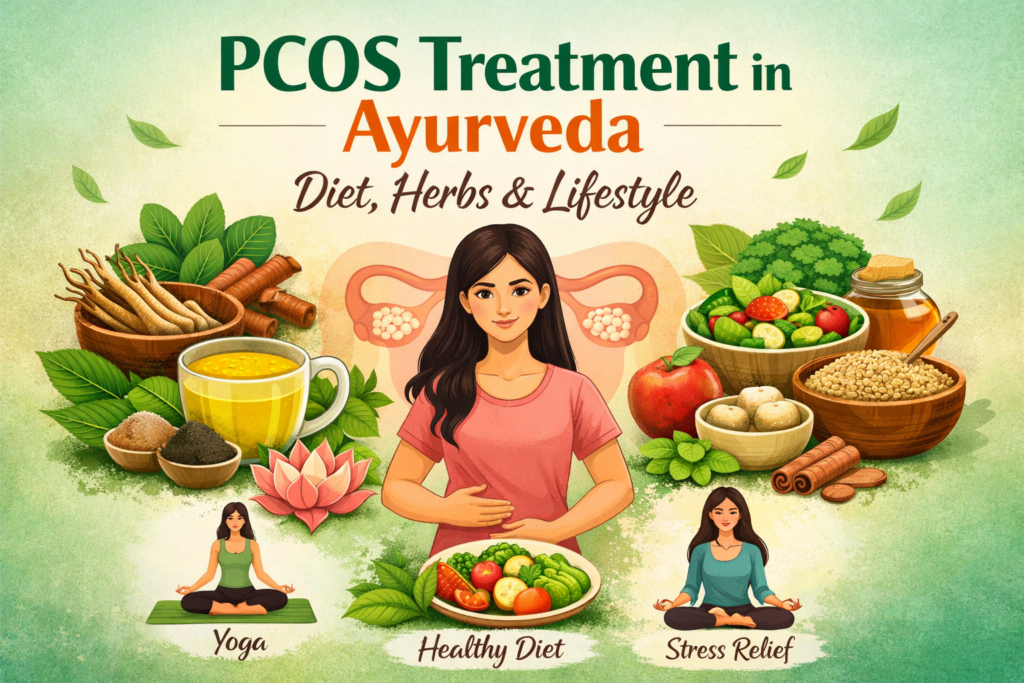
Diet plays a major role in managing PCOS. Eating the right foods can improve hormone balance and reduce symptoms.
Foods to Eat
- Fresh fruits like apple, papaya, pomegranate
- Green vegetables (spinach, broccoli, लौकी, तोरी)
- Whole grains (brown rice, oats, millet)
- Protein-rich foods (moong dal, paneer, sprouts)
- Healthy fats (ghee in small quantity, nuts, seeds)
- Warm water and herbal teas
Foods to Avoid
- Processed and fast food
- Sugar and sweets
- Cold drinks and packaged juices
- Excess dairy products
- Deep fried foods
Important Diet Tips
- Eat fresh and warm food
- Avoid overeating
- Maintain fixed meal timings
- Drink warm water throughout the day
Best Ayurvedic Herbs for PCOS
Ayurveda offers natural herbs that help in balancing hormones and improving reproductive health.
1. Ashwagandha
- Reduces stress and anxiety
- Balances hormones
- Improves energy levels
2. Shatavari
- Best herb for female reproductive health
- Regulates menstrual cycle
- Improves fertility
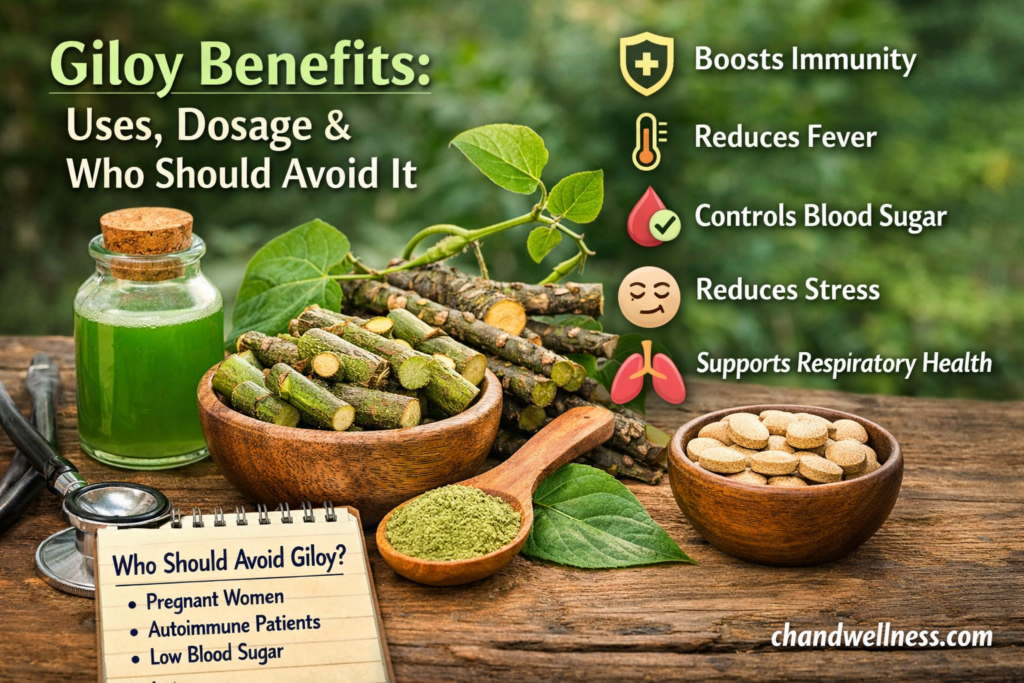
3. Guduchi (Giloy)
- Boosts immunity
- Helps detoxify the body
- Improves metabolism
4. Triphala
- Improves digestion
- Removes toxins (Ama)
- Helps in weight management
5. Cinnamon (Dalchini)
- Helps control blood sugar
- Improves insulin sensitivity
⚠️ Always consult an Ayurvedic doctor before taking herbs.
Lifestyle Changes for PCOS (Very Important)
Lifestyle plays a key role in Ayurveda. Small daily changes can give big results.
1. Regular Exercise
- Do yoga, walking, or light workouts daily
- Helps in weight management
- Improves hormone balance
2. Yoga for PCOS
Some beneficial yoga poses:
- Bhujangasana (Cobra Pose)
- Setu Bandhasana (Bridge Pose)
- Baddha Konasana (Butterfly Pose)
Practice daily for 20–30 minutes.
3. Manage Stress
Stress is one of the main causes of PCOS.
- Practice meditation
- Do deep breathing (Pranayama)
- Spend time in nature
4. Proper Sleep
- Sleep at least 7–8 hours daily
- Avoid late-night habits
- Sleep early and wake up early
5. Detox Your Body
Ayurveda recommends detoxification therapies like:
- Panchakarma (under expert guidance)
- Drinking warm water
- Herbal detox drinks
Simple Home Remedies for PCOS
You can try these easy remedies at home:
- Drink warm water with lemon in the morning
- Take 1 tsp flax seeds daily
- Drink cinnamon water
- Use turmeric milk (golden milk)
These help improve metabolism and hormone balance.
How Long Does Ayurvedic Treatment Take?
Ayurveda is a natural and slow process. You may start seeing results in:
- 1–2 months: improved energy and digestion
- 3–6 months: regular periods
- 6+ months: better hormonal balance
Consistency is the key.
Benefits of Ayurvedic Treatment for PCOS
- Natural and safe
- Treats root cause, not just symptoms
- Improves overall health
- No major side effects
- Helps in long-term hormonal balance
Final Words
PCOS is a lifestyle disorder, and Ayurveda offers a holistic solution through diet, herbs, and daily routine. By making small but consistent changes, you can manage PCOS naturally and improve your overall health.
Start with a healthy diet, include Ayurvedic herbs, and follow a balanced lifestyle. With patience and consistency, you can see long-term results.