
How to Build Healthy Eating Habits with Ayurveda
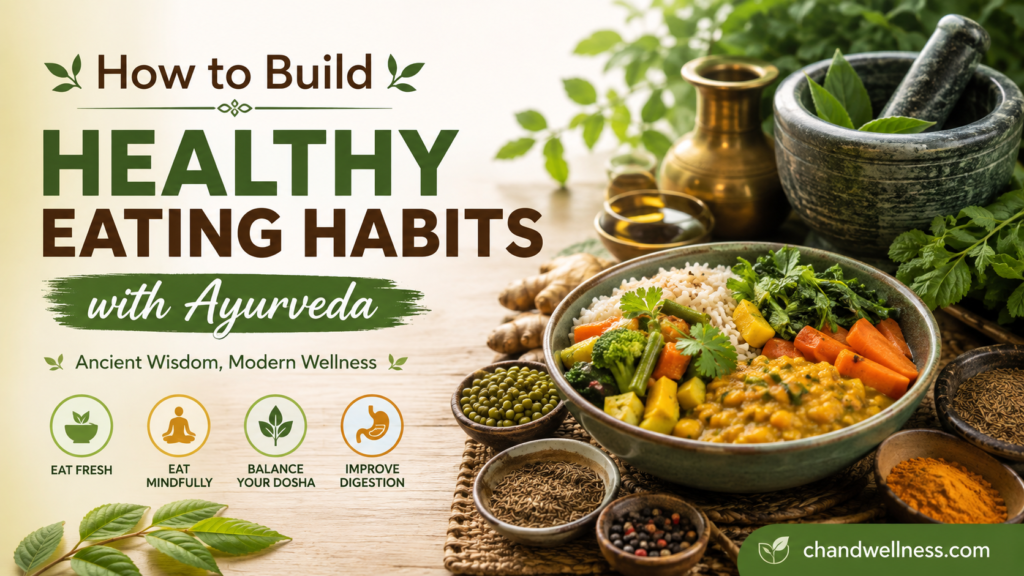
Healthy eating is not only about counting calories or following a strict diet. Ayurveda, the traditional Indian system of health, focuses on what you eat, how you eat, when you eat, and how well your body digests food.
Instead of making sudden changes, Ayurveda encourages simple and consistent habits that can support digestion, energy, and overall well-being. The good news is that many Ayurvedic eating principles are easy to include in everyday life.
In this guide, we will discuss practical ways to build healthy eating habits with Ayurveda.
What Does Healthy Eating Mean in Ayurveda?
According to Ayurveda, food is an important part of maintaining balance in the body. A healthy diet should be fresh, suitable for your individual needs, easy to digest, and eaten at the right time.
Ayurveda also gives importance to Agni, commonly described as the body’s digestive fire. Good digestion is considered important for maintaining overall health.
Rather than following the same diet for everyone, Ayurveda considers factors such as digestion, lifestyle, season, age, and individual constitution.
1. Eat Fresh and Minimally Processed Foods
One of the simplest Ayurvedic habits is choosing fresh foods whenever possible.
Try to include:
- Fresh seasonal vegetables
- Fruits
- Whole grains
- Pulses and legumes
- Nuts and seeds
- Freshly prepared meals
- Suitable herbs and spices
Highly processed foods often contain large amounts of added sugar, salt, unhealthy fats, or refined ingredients. Eating them frequently may make it harder to maintain a balanced diet.
A simple rule is: make fresh, whole foods the foundation of your meals.
2. Eat at Regular Times
Your body can benefit from having a reasonably consistent eating routine.
Instead of eating randomly throughout the day, try to maintain regular meal times according to your daily schedule.
For many people, a simple routine could include:
- A nourishing breakfast if you are hungry in the morning
- A balanced lunch
- A lighter dinner
- Healthy snacks only when needed
Avoid eating continuously throughout the day without allowing yourself to recognize hunger and fullness.
However, meal timing should also be practical. People with different work schedules, health conditions, or nutritional needs may require different routines.
3. Make Lunch Your Main Meal
Traditional Ayurvedic practices often place importance on the middle of the day for the main meal.
For many people, lunch can be a balanced and satisfying meal containing vegetables, grains, protein sources, and healthy fats.
For example, you could have:
Rice or roti + dal + vegetables + curd or another suitable protein-rich food.
The exact meal should depend on your nutritional needs, preferences, and tolerance.
4. Eat According to Your Hunger
Ayurveda encourages awareness of the body’s signals.
Try not to eat simply because food is available. At the same time, avoid regularly ignoring strong hunger.
Before eating, ask yourself:
“Am I actually hungry?”
Eating mindfully can help you recognize when you are comfortably full.
This does not mean you need to follow hunger cues perfectly at every meal. Work schedules, medications, exercise, and other factors can affect appetite.
5. Eat Slowly and Mindfully
How you eat can be just as important as what you eat.
Instead of eating while watching television or scrolling through your phone, try to sit comfortably and focus on your meal.
Chew your food properly and eat at a relaxed pace.
Mindful eating may help you:
- Notice fullness
- Enjoy your food more
- Avoid distracted overeating
- Develop a healthier relationship with food
Even spending an extra few minutes eating without distractions can be a useful habit.
6. Prefer Warm, Freshly Prepared Meals
Ayurvedic dietary traditions generally favor fresh and appropriately prepared foods.
Warm meals such as vegetable soup, dal, khichdi, cooked vegetables, and freshly prepared grains can be convenient choices, especially when they suit your digestion and preferences.
This does not mean that every food must be hot. Fruits, salads, and other foods can also be part of a healthy diet.
The main idea is to focus on freshness, variety, and appropriate preparation rather than following rigid food rules.
7. Use Spices Wisely
Indian cooking already includes many spices that can add flavor to nutritious meals.
Commonly used spices include:
- Turmeric
- Cumin
- Coriander
- Ginger
- Black pepper
- Fennel
- Cardamom
Spices can make simple meals more enjoyable and may contribute beneficial plant compounds to the diet.
However, more is not always better. Use spices according to your taste, tolerance, and individual needs.
If you have a digestive condition or take medication, discuss significant dietary changes or concentrated herbal products with a qualified healthcare professional.
8. Stay Hydrated
Drinking enough fluids is an important part of healthy eating.
Water should generally be your primary drink. Your needs can vary depending on weather, physical activity, age, diet, and other factors.
Some people enjoy warm water or herbal drinks as part of their routine. These can be included if they suit you.
Do not force yourself to drink excessive amounts of water simply because a particular Ayurvedic routine recommends it.
9. Reduce Excess Sugar and Highly Processed Foods
You do not necessarily need to completely eliminate your favorite foods.
Instead, focus on moderation.
Try to reduce frequent consumption of:
- Sugary drinks
- Packaged sweets
- Deep-fried snacks
- Highly refined foods
- Excessively salty snacks
- Ultra-processed foods
You can gradually replace them with options such as fruits, nuts, homemade snacks, or other minimally processed foods.
Small changes are often easier to maintain than extreme restrictions.
10. Choose Seasonal and Local Foods
Ayurveda traditionally emphasizes eating according to the season.
A practical modern approach is to choose a variety of fresh foods that are locally available and appropriate for the season.
For example, summer meals may naturally include more water-rich fruits and vegetables, while colder months may encourage people to enjoy warm soups, cooked vegetables, and nourishing meals.
Seasonal eating can also make your diet more varied throughout the year.
11. Avoid Eating Very Late at Night
A very heavy meal immediately before bedtime may be uncomfortable for some people.
Whenever possible, try to leave some time between dinner and going to bed.
A lighter evening meal may include options such as:
- Vegetable soup
- Dal with roti
- Khichdi
- Cooked vegetables with a suitable grain
Your ideal dinner depends on your appetite, activity level, work schedule, and health needs.
12. Make Changes Gradually
One of the biggest mistakes people make when starting a healthy diet is changing everything at once.
You do not need to completely change your diet overnight.
Start with one or two habits, such as:
Week 1: Eat meals without your phone.
Week 2: Add more vegetables to lunch and dinner.
Week 3: Reduce sugary drinks.
Week 4: Establish a more consistent meal schedule.
Small improvements can become long-term habits when repeated consistently.
Simple Ayurvedic-Inspired Daily Eating Routine
Here is a simple example of how you can structure your day:
Morning
Start your day with water and have breakfast according to your hunger and nutritional needs.
Choose nutritious options such as oats, poha, upma, eggs, fruit, or other balanced foods that suit you.
Lunch
Make lunch a balanced meal containing vegetables, a protein source, whole grains or other carbohydrates, and a suitable amount of healthy fat.
Evening
If you are genuinely hungry, choose a nutritious snack such as fruit, nuts, seeds, or homemade food.
Dinner
Keep dinner comfortable and balanced. Avoid making it unnecessarily heavy if you are going to bed soon afterward.
Common Mistakes to Avoid
While following Ayurvedic eating principles, avoid becoming overly restrictive.
Some common mistakes include:
- Following complicated food rules without understanding them
- Completely eliminating major food groups without a reason
- Taking herbal supplements without professional guidance
- Believing that one diet works for everyone
- Skipping meals to lose weight quickly
- Ignoring medical advice
- Treating food alone as a cure for disease
Ayurveda can provide useful lifestyle principles, but it should not replace appropriate medical care.
Frequently Asked Questions
Is Ayurveda good for healthy eating?
Ayurvedic dietary principles can encourage habits such as eating fresh foods, being mindful while eating, maintaining regular routines, and paying attention to digestion. These can complement a balanced modern diet.
What is the best Ayurvedic food for daily health?
There is no single best food for everyone. A varied diet containing vegetables, fruits, whole grains, appropriate protein sources, nuts, seeds, and other nutritious foods is generally more useful than relying on one “superfood.”
Can Ayurveda help with weight management?
Healthy eating habits, regular physical activity, adequate sleep, and mindful eating can support healthy weight management. Ayurveda may provide lifestyle approaches, but sustainable weight management depends on the overall diet and lifestyle.
Should I avoid cold foods according to Ayurveda?
Not necessarily. Dietary practices should be individualized. Fresh fruits, salads, and other foods can be nutritious. The important thing is to choose foods that fit your nutritional needs and personal tolerance.
Can I follow Ayurveda with a modern healthy diet?
Yes. Many Ayurvedic food habits can be combined with modern nutrition principles. Focus on fresh foods, variety, balanced meals, moderation, and appropriate portion sizes.
Final Thoughts
Building healthy eating habits with Ayurveda does not require an expensive diet or complicated rules. Start with simple habits: eat fresh foods, maintain a regular routine, eat mindfully, include a variety of nutritious foods, stay hydrated, and limit highly processed foods.
The most important part is consistency. Instead of looking for a quick dietary solution, focus on habits that you can realistically follow for months and years.
Ayurveda can provide traditional guidance, while modern nutrition can help ensure that your diet meets essential nutritional requirements. If you have a medical condition, are pregnant, take regular medicines, or plan major dietary changes, consult a qualified healthcare professional before making significant changes.
Healthy eating is not about perfection—it is about making better choices consistently.