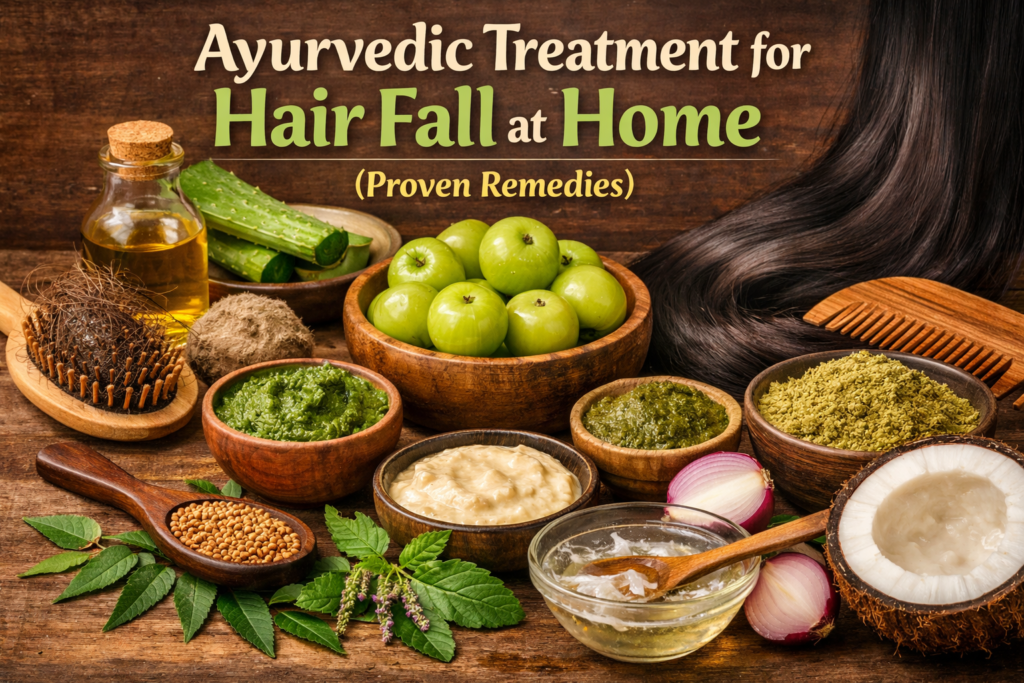
Seasonal allergies are a common problem, especially during spring, rainy, and autumn seasons. Many people experience sneezing, a runny nose, itchy eyes, skin rashes, or coughing when pollen, dust, mold, or other allergens increase in the environment.
While modern medicines can provide quick relief, they may not always be suitable for long-term use. Ayurveda focuses on strengthening the body’s natural immunity and balancing the doshas to reduce allergy symptoms naturally.
In this article, you will learn the best Ayurvedic remedies for seasonal allergies, along with simple lifestyle and diet tips that may help reduce symptoms naturally.
Note: Severe allergic reactions, difficulty breathing, swelling of the face or throat, or persistent symptoms require immediate medical attention.
What Are Seasonal Allergies?
Seasonal allergies occur when the immune system reacts to substances like:
- Pollen from trees and flowers
- Grass pollen
- Dust mites
- Mold spores
- Animal dander
Common symptoms include:
- Frequent sneezing
- Runny or blocked nose
- Itchy eyes
- Watery eyes
- Sore throat
- Cough
- Itchy skin
- Mild headache
- Fatigue
Seasonal Allergies According to Ayurveda
In Ayurveda, seasonal allergies are often linked to an imbalance of Kapha Dosha and sometimes Vata Dosha.
Poor digestion (Agni), accumulation of Ama (toxins), and low immunity may make the body more sensitive to allergens.
Ayurvedic treatment aims to:
- Improve digestion
- Remove Ama
- Balance Kapha
- Strengthen immunity
- Support healthy respiratory function
Best Ayurvedic Remedies for Seasonal Allergies
1. Tulsi (Holy Basil)
Tulsi is one of the most respected herbs in Ayurveda. It supports the respiratory system and helps the body adapt to seasonal changes.
How to use
- Chew 4–5 fresh Tulsi leaves daily.
- Drink Tulsi tea once or twice a day.
- Add Tulsi leaves to warm herbal tea.
2. Turmeric
Turmeric contains curcumin, which has anti-inflammatory and antioxidant properties.
It may help reduce:
- Nasal inflammation
- Sneezing
- Throat irritation
- Mild allergic symptoms
How to use
- Mix ½ teaspoon turmeric in warm milk.
- Drink once daily.
- Add turmeric to your regular meals.
3. Giloy (Guduchi)
Giloy is known as an immunity-supporting herb in Ayurveda.
Potential benefits include:
- Supporting immune health
- Helping the body adapt to seasonal changes
- Reducing recurring allergic discomfort
Always use Giloy according to the advice of an Ayurvedic practitioner.
4. Amla (Indian Gooseberry)
Amla is naturally rich in Vitamin C and antioxidants.
Benefits include:
- Supports immunity
- Helps fight oxidative stress
- Promotes overall wellness
You can consume:
- Fresh Amla
- Amla juice
- Amla powder
5. Honey (Local Honey)
Many people use local honey as a traditional home remedy.
It may help soothe:
- Dry throat
- Mild cough
- Seasonal throat irritation
Take one teaspoon of pure honey once daily.
Do not give honey to infants under one year of age.
6. Steam Inhalation
Steam inhalation can temporarily relieve:
- Blocked nose
- Sinus congestion
- Breathing discomfort
You may add a few Tulsi leaves to hot water before inhaling the steam.
Be careful to avoid burns from hot steam.
7. Nasya Therapy
Nasya is an Ayurvedic practice in which medicated oil is applied inside the nostrils.
It is traditionally used to:
- Lubricate nasal passages
- Reduce dryness
- Support nasal health
Nasya should ideally be performed under the guidance of a qualified Ayurvedic practitioner.
8. Ginger
Fresh ginger is commonly used to support digestion and relieve throat discomfort.
Simple ginger tea may help:
- Warm the body
- Soothe the throat
- Support respiratory comfort
9. Triphala
Triphala supports healthy digestion and bowel movements.
Since Ayurveda considers good digestion essential for overall health, Triphala may be recommended when appropriate.
Use only according to professional advice.
10. Warm Water Throughout the Day
Drinking warm water may help:
- Keep the throat comfortable
- Support digestion
- Reduce Kapha accumulation
Avoid drinking very cold water during allergy season if it worsens your symptoms.
Ayurvedic Diet Tips for Seasonal Allergies
Your diet plays an important role in maintaining overall health.
Choose foods such as:
- Warm soups
- Cooked vegetables
- Ginger tea
- Turmeric milk
- Fresh fruits
- Moong dal
- Herbal teas
Limit or avoid:
- Cold drinks
- Ice cream
- Deep-fried foods
- Excess sweets
- Packaged foods
- Heavy dairy if it worsens congestion
Lifestyle Tips to Reduce Seasonal Allergies
Follow these healthy habits:
- Sleep for 7–8 hours every night.
- Practice yoga regularly.
- Do deep breathing exercises (Pranayama).
- Wash your face after coming indoors.
- Keep windows closed during high pollen days if possible.
- Clean your home regularly.
- Drink enough water.
- Exercise moderately.
- Manage stress through meditation.
Yoga and Pranayama
Some breathing exercises may support respiratory comfort.
Examples include:
- Anulom Vilom
- Bhramari
- Nadi Shodhana
Practice under proper guidance, especially if you have respiratory conditions.
When Should You Visit a Doctor?
Seek medical advice if you have:
- Difficulty breathing
- Wheezing
- High fever
- Persistent cough
- Swelling of the face or throat
- Severe skin rash
- Symptoms lasting several weeks
- Frequent allergy attacks
Frequently Asked Questions (FAQs)
Can Ayurveda permanently cure seasonal allergies?
Ayurveda aims to improve overall health, digestion, and immunity. However, responses vary from person to person, and no treatment can guarantee a permanent cure for all allergies.
Is turmeric good for allergies?
Turmeric has anti-inflammatory properties and may help reduce mild inflammation associated with allergies as part of a balanced lifestyle.
Which Ayurvedic herb is best for immunity?
Tulsi, Giloy, and Amla are commonly used in Ayurveda to support immune health.
Can children use Ayurvedic remedies?
Some remedies may be suitable, but children should only receive Ayurvedic medicines after consulting a qualified healthcare professional.
Is steam inhalation safe?
Steam inhalation may help relieve nasal congestion temporarily. Use caution to avoid burns, especially in children.
Conclusion
Seasonal allergies can affect daily life, but simple Ayurvedic practices may help support overall wellness and ease mild symptoms. Herbs such as Tulsi, Turmeric, Giloy, Amla, Ginger, and Triphala, along with a healthy diet, proper hydration, regular yoga, and good sleep, can be valuable parts of a holistic approach.
Remember that Ayurveda works best alongside healthy lifestyle habits and individualized guidance. If your symptoms are severe, recurrent, or interfere with breathing, consult a qualified healthcare professional promptly.